Introduction
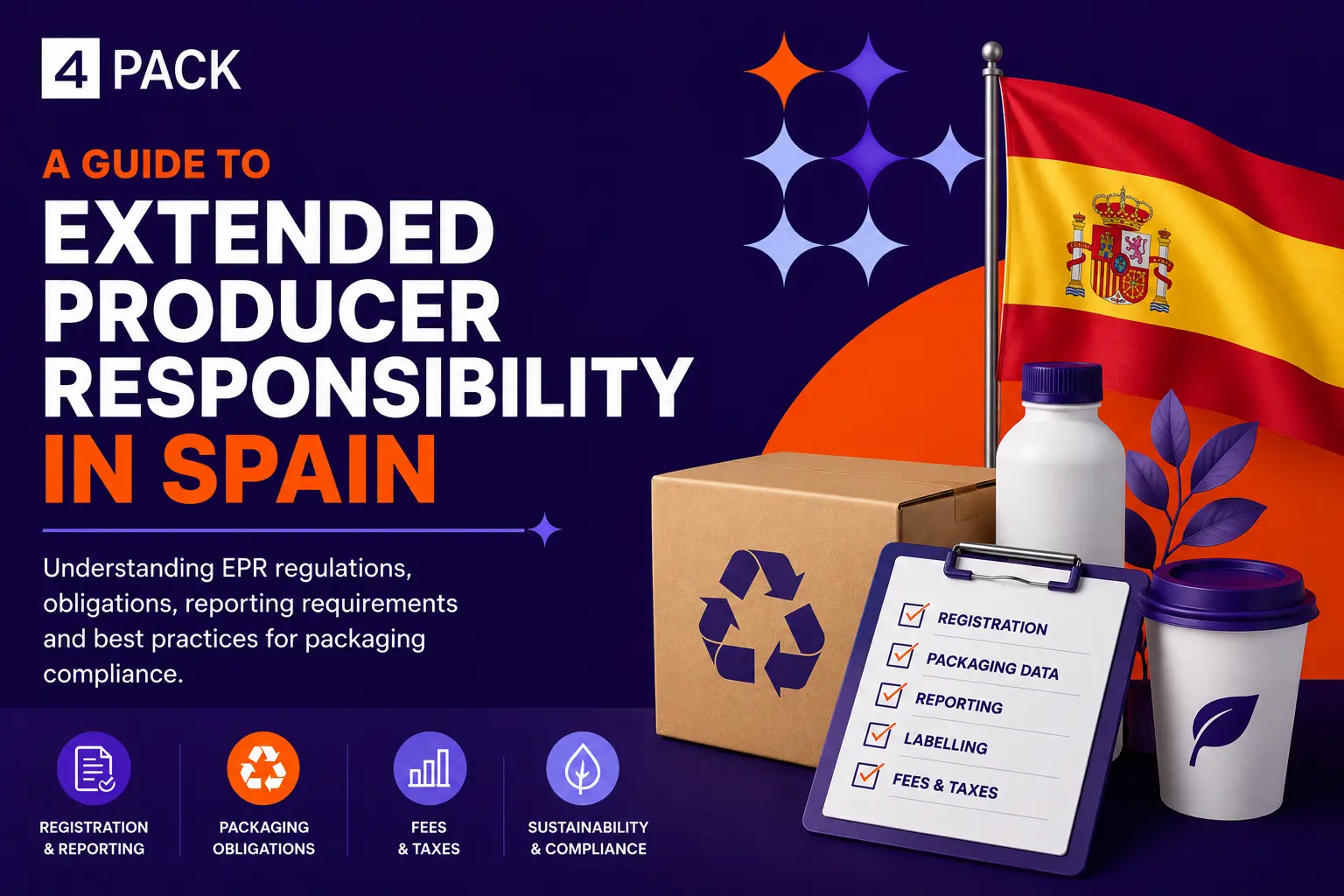
Extended Producer Responsibility in Spain is becoming a major compliance concern for businesses that place packaged goods onto the Spanish market. Over the past few years, Spain has introduced stricter packaging legislation as part of wider European Union sustainability goals. These rules are designed to improve recycling rates, reduce packaging waste, and increase producer accountability.
For businesses, however, the practical reality is far more complex. Compliance now depends on maintaining accurate packaging data, tracking material usage, meeting reporting deadlines, and ensuring packaging information remains up to date across every stage of the supply chain.
Manufacturers, retailers, importers, distributors, and e-commerce businesses are all being affected by these changes. Even companies based outside Spain may still have legal obligations if they sell packaged products into the country.
At the same time, many businesses continue to manage packaging information using disconnected spreadsheets, manual approval processes, and fragmented supplier data. This creates significant risks when regulations demand accurate reporting and traceable audit records.
In this guide, we explain how Extended Producer Responsibility in Spain works, which businesses are affected, what packaging obligations apply, and how organisations can improve compliance through stronger packaging governance and better data management.
What Is Extended Producer Responsibility (EPR)?
Understanding the Purpose of EPR
Extended Producer Responsibility, commonly referred to as EPR, is an environmental policy approach that places responsibility for packaging waste onto producers rather than local authorities or taxpayers.
Under traditional waste systems, local governments carried most of the financial burden for collecting and processing packaging waste. EPR changes this model by requiring businesses that place packaging onto the market to contribute towards the costs of collection, recycling, and disposal.
The goal is not simply to increase recycling. EPR is designed to encourage businesses to rethink how packaging is designed, sourced, and managed throughout the product lifecycle.
This approach supports several environmental objectives, including:
- Reducing unnecessary packaging
- Encouraging recyclable packaging materials
- Improving recycling infrastructure
- Increasing use of recycled materials
- Supporting circular economy targets
The legislation also aims to make businesses more accountable for the environmental impact of their products.
For companies, this means packaging compliance is no longer a minor operational issue. It has become a strategic responsibility that affects product development, procurement, reporting, sustainability planning, and regulatory governance.
How EPR Works Across Europe
Although EPR exists throughout the European Union, each member state operates its own national framework.
This creates significant complexity for businesses operating across multiple European markets. A company may face different:
- Registration systems
- Reporting obligations
- Packaging definitions
- Labelling rules
- Fee structures
- Reporting deadlines
Spain’s system has become particularly important because it introduces detailed producer obligations across several packaging categories.
Businesses cannot assume that compliance in one European country automatically means compliance in Spain. Packaging requirements often vary considerably between jurisdictions.
This is especially challenging for global brands and e-commerce organisations selling products into multiple EU countries simultaneously.
Why Spain’s EPR Regulations Matter
Spain’s packaging legislation matters because enforcement is increasing rapidly and reporting requirements are becoming more detailed.
Authorities now expect businesses to demonstrate far greater control over packaging information, including accurate records of:
- Packaging weights
- Material composition
- Recycled content
- Packaging volumes
- Packaging categories
Businesses that cannot provide reliable data may face financial penalties and increased regulatory scrutiny.
At the same time, retailers and supply chain partners are becoming more cautious about working with suppliers that cannot demonstrate compliance readiness.
For many organisations, packaging data is still spread across multiple systems, departments, and suppliers. This creates serious operational risks when regulations demand accurate, traceable, and auditable information.
Spain’s EPR Framework Explained
Key EPR Legislation in Spain
Spain’s current packaging compliance framework is heavily shaped by Royal Decree 1055/2022 on Packaging and Packaging Waste.
The legislation aligns Spain with broader European Union Circular Economy objectives and introduces stricter rules surrounding packaging accountability.
The regulation focuses on several core objectives:
- Preventing packaging waste
- Improving recycling performance
- Encouraging sustainable packaging design
- Expanding producer responsibility
- Supporting reusable packaging systems
The legislation also increases reporting obligations for businesses that place packaged goods onto the Spanish market.
This means organisations must now maintain more detailed packaging records and ensure packaging information is consistently updated.
For businesses with large product ranges, maintaining this level of packaging visibility can become extremely difficult without structured packaging management systems.
Which Businesses Must Comply?
Spain’s EPR regulations apply to a wide range of organisations involved in placing packaged goods onto the market.
This includes:
- Manufacturers
- Brand owners
- Importers
- Distributors
- Retailers
- E-commerce businesses
Importantly, foreign companies selling directly into Spain may still have obligations even if they do not have a physical presence within the country.
This has become particularly relevant for online sellers and cross-border e-commerce businesses operating throughout Europe.
Many organisations underestimate their responsibilities because they assume compliance obligations only apply to domestic producers. In reality, international businesses frequently fall within scope.
What Packaging Types Are Covered?
Spain’s EPR rules apply to several packaging categories, including:
- Household packaging
- Commercial packaging
- Industrial packaging
- Single-use packaging
- Reusable packaging
The legislation also covers multiple material types, such as:
- Plastic
- Paper and cardboard
- Glass
- Steel
- Aluminium
- Wood
Businesses must understand exactly which materials are being used across their packaging portfolio and how much packaging enters the Spanish market annually.
This becomes difficult when supplier data is inconsistent or packaging specifications are managed manually across different departments.
Obligated Producers and Producer Responsibility Organisations (PROs)
An obligated producer is the organisation legally responsible for packaging compliance.
Many businesses choose to meet their obligations by joining a Producer Responsibility Organisation, commonly referred to as a PRO.
These organisations help manage waste collection and recycling responsibilities on behalf of producers.
However, joining a PRO does not remove the need for accurate internal packaging governance. Businesses still remain responsible for the quality and accuracy of the data they provide.
If incorrect packaging information is submitted, businesses may still face compliance issues even when operating through collective schemes.
EPR Registration Requirements in Spain
Registering With the Spanish Packaging Register
Businesses that fall within scope must register with Spain’s official packaging register.
Registration generally involves submitting:
- Company information
- Tax identification details
- Packaging activity descriptions
- Packaging category information
Once approved, businesses receive an EPR registration number that may need to appear on invoices or commercial documentation.
Failure to register correctly can result in non-compliance before products even enter the market.
Appointing an Authorised Representative
Foreign businesses without a Spanish legal entity may need to appoint an authorised representative.
The representative acts on behalf of the business for compliance purposes and helps ensure regulatory obligations are fulfilled correctly.
This requirement is particularly important for e-commerce organisations selling directly into Spain from other countries.
Without proper representation, businesses may struggle to meet registration and reporting obligations effectively.
Data Collection and Record Keeping
One of the biggest challenges under Spain’s EPR framework is maintaining accurate packaging data.
Businesses are expected to track:
- Packaging materials
- Packaging weights
- Recycled content
- Product categories
- Packaging quantities
This information must remain accurate, accessible, and auditable.
Unfortunately, many businesses still rely on fragmented systems and spreadsheet-based processes. Packaging information is often stored across procurement systems, artwork files, supplier emails, and regulatory documents.
This creates serious risks when reporting deadlines approach or regulators request supporting evidence.
Strong packaging governance processes are becoming essential for maintaining compliance confidence.
Packaging Reporting Obligations
What Data Must Be Reported?
Spain’s EPR framework requires businesses to submit detailed packaging information on a regular basis.
This may include:
- Packaging weights by material
- Packaging categories
- Packaging volumes placed on market
- Recycled material content
- Reusable packaging information
The level of detail required means businesses must maintain highly accurate packaging specifications.
Even small data inconsistencies can create reporting inaccuracies that affect compliance submissions and financial calculations.
Reporting Deadlines and Frequency
Most organisations must complete annual reporting obligations, although exact requirements can vary depending on packaging activity and producer classification.
Managing deadlines becomes increasingly difficult when businesses operate across multiple European jurisdictions with different reporting schedules.
Common reporting problems include:
- Missing packaging data
- Incorrect material classifications
- Outdated specifications
- Duplicate records
- Inconsistent supplier information
Without structured approval workflows, errors can easily enter the reporting process.
Environmental Labelling Requirements
Spain also places growing emphasis on environmental labelling and recycling communication.
Packaging may need to include:
- Recycling instructions
- Material identification
- Disposal guidance
- Environmental claims that comply with legislation
Incorrect artwork or outdated packaging files can create serious compliance risks.
This is particularly problematic for businesses managing multiple packaging variations across different countries.
Without strong version control processes, outdated artwork can accidentally move into production.
Challenges Businesses Face With Reporting
Many organisations struggle because packaging data is managed by multiple teams with limited coordination.
Regulatory teams, procurement departments, packaging teams, and marketing functions often maintain separate versions of packaging information.
This leads to:
- Conflicting specifications
- Approval delays
- Poor data visibility
- Increased reporting risk
- Difficulty maintaining audit trails
As packaging regulations become stricter, businesses require more structured systems to maintain compliance efficiently.
Financial Obligations Under Spain’s EPR Scheme
EPR Fees and Eco-Contributions
Businesses operating under EPR schemes are generally required to pay eco-contributions based on the packaging they place onto the market.
Fees are often influenced by:
- Packaging weight
- Material type
- Recyclability
- Environmental impact
Packaging that is difficult to recycle may attract higher costs.
This creates financial pressure for businesses to improve packaging sustainability and reduce unnecessary material usage.
The Plastic Packaging Tax in Spain
Spain has also introduced a plastic packaging tax targeting certain non-reusable plastic packaging products.
The tax applies to specific plastic packaging materials and imported goods containing taxable plastic packaging.
Businesses must carefully monitor plastic usage and maintain accurate records to ensure correct tax calculations.
This increases the importance of maintaining reliable packaging specifications and material data across the organisation.
The Cost of Non-Compliance
The cost of non-compliance can be significant.
Potential consequences include:
- Financial penalties
- Regulatory investigations
- Product distribution delays
- Increased operational costs
- Reputational damage
Retailers and distributors are also placing greater emphasis on supplier compliance readiness.
Businesses that cannot demonstrate reliable packaging governance may face growing commercial pressure from customers and partners.
Common EPR Compliance Challenges for Businesses
Managing Large Volumes of Packaging Data
Large organisations often manage thousands of packaging components across multiple suppliers and markets.
Tracking packaging data manually quickly becomes unsustainable.
Spreadsheet-based processes frequently lead to:
- Human error
- Duplicate information
- Missing specifications
- Reporting inconsistencies
As EPR requirements become more detailed, these risks increase significantly.
Keeping Packaging Information Up To Date
Packaging specifications constantly evolve.
Changes may include:
- Supplier updates
- Artwork revisions
- Material substitutions
- Regulatory amendments
Without strong governance processes, outdated information can remain active for too long and create compliance failures.
Version Control and Approval Processes
Version control is one of the most common packaging compliance risks.
If outdated packaging artwork or incorrect specifications are approved accidentally, businesses may produce non-compliant packaging at scale.
This can lead to:
- Product recalls
- Packaging waste
- Delayed product launches
- Increased production costs
- Regulatory breaches
Clear approval workflows and centralised packaging systems help reduce these risks considerably.
Achieving Multi-Market Compliance
Many organisations operate across several European countries simultaneously.
Each market may introduce different:
- Reporting obligations
- Labelling requirements
- Sustainability targets
- Packaging definitions
Managing these variations manually creates enormous administrative pressure.
Businesses increasingly require centralised packaging governance systems capable of supporting multi-market compliance.
How 4Pack Helps Businesses Stay Compliant With Spain’s EPR Regulations
Centralised Packaging and Artwork Management
4Pack helps businesses centralise packaging specifications, artwork files, and compliance information within a single platform.
This improves visibility across departments and reduces the risk of disconnected packaging data.
By creating a single source of truth, businesses can improve consistency across packaging workflows and reporting processes.
Better Version Control and Audit Trails
Maintaining strong audit trails is critical for packaging compliance.
4Pack helps organisations track packaging changes, manage approvals, and maintain clear historical records.
This improves accountability and reduces the risk of outdated packaging files being used in production.
Better version control also strengthens readiness for regulatory audits and compliance reviews.
Improved Regulatory Collaboration
Packaging compliance often requires collaboration between multiple departments and external partners.
4Pack supports structured workflows that improve communication between:
- Regulatory teams
- Packaging teams
- Procurement departments
- Marketing functions
- External suppliers
This reduces approval bottlenecks and improves operational efficiency.
More Accurate Reporting and Data Management
Accurate reporting depends entirely on accurate packaging data.
4Pack helps businesses improve data quality by reducing manual processes and creating stronger governance structures.
This supports:
- More reliable reporting
- Faster access to packaging information
- Improved regulatory confidence
- Better packaging visibility
Supporting Multi-Market Packaging Compliance
For organisations operating internationally, maintaining compliance across multiple jurisdictions is extremely challenging.
4Pack helps businesses manage country-specific packaging requirements while maintaining centralised governance processes.
This creates a more scalable approach to packaging compliance management across Europe and beyond.
Best Practices for Maintaining EPR Compliance in Spain
Conduct Regular Packaging Audits
Regular audits help businesses identify packaging risks before they become compliance problems.
Audits should review:
- Packaging specifications
- Material classifications
- Artwork accuracy
- Reporting data quality
This improves packaging visibility and reduces the likelihood of reporting errors.
Improve Supplier Data Collection
Supplier data quality is essential for accurate reporting.
Businesses should establish consistent processes for collecting:
- Material composition data
- Packaging weights
- Recycled content information
- Sustainability documentation
Standardised supplier processes improve reporting reliability significantly.
Invest in Packaging Data Management Systems
Modern packaging compliance requires more than spreadsheets.
Digital packaging management systems improve:
- Data accuracy
- Workflow visibility
- Approval governance
- Reporting efficiency
- Cross-functional collaboration
These systems also reduce the administrative burden associated with packaging compliance.
Stay Ahead of Regulatory Changes
Packaging regulations continue to evolve rapidly across Europe.
Businesses should actively monitor:
- Spanish EPR developments
- EU sustainability legislation
- Packaging reduction initiatives
- Recycling regulations
Proactive preparation helps organisations avoid reactive compliance problems later.
Extended Producer Responsibility in Spain Moving Forward
Growing Sustainability Expectations
Environmental expectations continue to increase across governments, retailers, and consumers.
Businesses are now expected to demonstrate stronger sustainability performance and greater packaging transparency.
This trend is unlikely to slow down.
Likely Future Regulatory Changes
Future developments may include:
- Expanded reporting obligations
- Increased recycling targets
- Greater supply chain transparency
- More detailed sustainability disclosures
Businesses with weak packaging governance processes may struggle to adapt quickly.
Why Businesses Need a Long-Term Compliance Strategy
Short-term compliance solutions rarely remain effective for long.
Businesses need scalable packaging governance processes capable of supporting ongoing regulatory change.
Technology and structured packaging data management will play an increasingly important role in maintaining long-term compliance readiness.
Enquire With 4Pack
Managing Extended Producer Responsibility in Spain is becoming increasingly complex, particularly for organisations operating across multiple product categories and international markets.
4Pack helps businesses improve packaging governance by centralising packaging information, strengthening version control, and improving visibility across packaging workflows.
By reducing manual processes and improving packaging data accuracy, businesses can approach EPR reporting with greater confidence and reduced compliance risk.
Whether your organisation is struggling with supplier data, packaging approvals, artwork management, or multi-market reporting requirements, 4Pack can help build a more efficient and scalable compliance process.
Book a demo with the 4Pack team to explore how stronger packaging governance and better packaging data management can support your long-term EPR compliance strategy.
Final Thoughts
Extended Producer Responsibility in Spain is reshaping how businesses approach packaging compliance.
Organisations are now expected to maintain accurate packaging data, meet detailed reporting obligations, and demonstrate stronger environmental accountability across the supply chain.
For many businesses, manual processes and disconnected systems create unnecessary operational and compliance risks.
Improving packaging governance, centralising packaging information, and strengthening version control can help businesses reduce reporting errors and improve compliance confidence.
As regulations continue to evolve, businesses that invest in stronger packaging data management today will be far better prepared for future requirements.
4Pack helps organisations create the structure, visibility, and control needed to manage packaging compliance more effectively in Spain and across wider international markets.