Packaging compliance is getting harder to manage. New rules are coming, and the deadlines are close.
For most businesses, the biggest risk isn’t the rules themselves: it’s not knowing whether your data, processes and artwork can meet them. A packaging compliance gap analysis shows you where you stand, while there is still time to act.
Every month you wait narrows your options. Data projects, packaging redesigns and artwork updates all take time, and 2027 will arrive sooner than it feels.
Why 2027 Is A Turning Point For Packaging Compliance
Several pressures are landing at once.
UK EPR is moving from set-up to pricing. From the 2026–27 scheme year, fees are modulated by recyclability. Packaging is rated red, amber or green under the Recyclability Assessment Methodology (RAM). Red-rated packaging attracts higher fees, with the modulation factor increasing over the first three years of the current policy.
The Deposit Return Scheme is nearly here. From 1 October 2027, eligible PET plastic, aluminium and steel drinks containers across the UK will carry a 20p deposit. Exchange for Change will administer the scheme across all four nations. Producers must register and meet the relevant product, barcode and labelling requirements. Wales will also include glass from launch, although glass will carry a 0p deposit and be exempt from DRS labelling during a four-year transition period.
The EU is setting its own path. PPWR does not generally apply to packaging placed only on the Great Britain market. However, much of the Regulation applies in Northern Ireland under the Windsor Framework, and UK businesses placing packaging or packaged products on the EU market also need to meet the PPWR requirements that apply to them.
Taken together, this means more detail, more reporting and less room for error. For many manufacturers, compliance is no longer a once-a-year reporting task. It is an ongoing process that runs through product development, sourcing and design. The good news is that the pressure is predictable. You can plan for it.
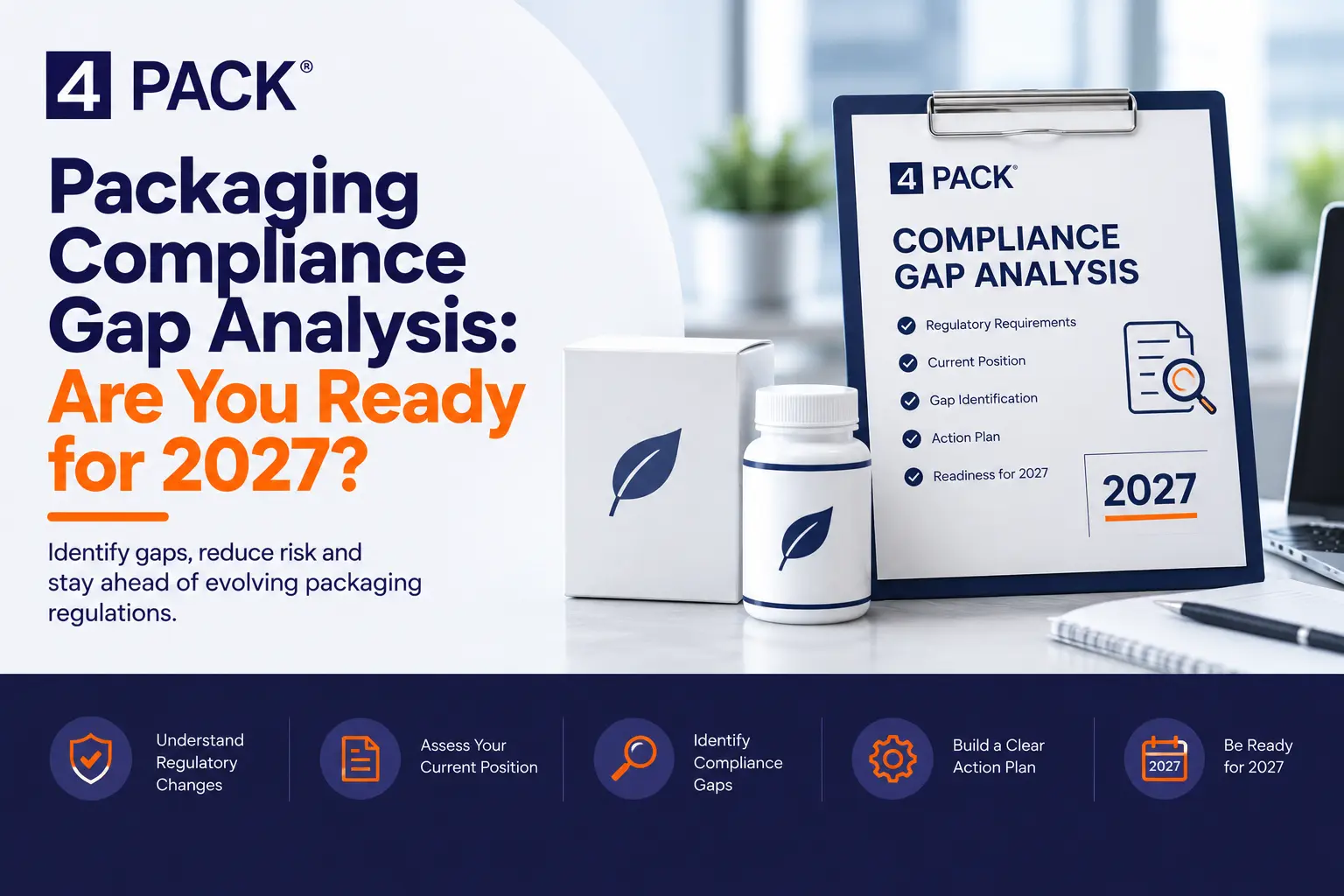
What is a Packaging Compliance Gap Analysis?
A gap analysis compares what you do now with what the regulations will require. It answers three simple questions:
- What rules apply to each of our products and markets?
- Does our packaging data meet those rules?
- What needs to change, who owns it, and by when?
The result is a prioritised action plan. It should involve regulatory, technical, artwork, procurement and marketing teams, because packaging compliance touches all of them.
Where The Gaps Usually Appear
Most businesses find the same weak spots.
Scattered Packaging Data
Specifications often sit in spreadsheets, PDFs and email chains. Nobody has one trusted source for materials, weights or recycled content. Yet EPR reporting depends on exactly that information. A central packaging data management system gives every team the same, up-to-date facts. When a regulation changes, you can see every affected product in minutes, not weeks.
Unreliable Supplier Information
Suppliers send declarations in different formats – and many are incomplete or out of date. Chasing them by email wastes time and still leaves you unsure the data is right. Without a structured way to collect and check declarations, errors flow straight into your reports.
Hidden Fee Exposure
Can you tell how a packaging change would affect your RAM rating? If not, you can’t judge its effect on your EPR fees. Businesses that model changes early can redesign packaging to cut costs, rather than simply absorb them.
Artwork and Labelling Risk
New recycling labels and DRS marks mean artwork updates across many products. Each change needs review and approval. When artwork lives in separate tools and inboxes, versions get lost and mistakes reach the shelf. Linking artwork management to packaging data keeps labels accurate and approvals traceable.
A Weak Audit Trail
If a regulator or retailer asks where a figure came from, can you show them? Without a clear record of who changed what and when, that is hard to prove.
Complexity Across Markets
Selling in the UK, the EU and beyond means several sets of rules. Tracking them by hand doesn’t scale, and a change that satisfies one market can create a problem in another.
How To Run Your Own Gap Analysis
You can make a start today with five steps:
- Map your portfolio. List your products, packaging formats and the markets you sell into.
- Identify the rules. Note which regulations apply to each product and market.
- Audit your data. Check that packaging data is complete, accurate and easy to find.
- Score the gaps. Rank each one by risk, cost and deadline.
- Assign owners and dates. Work backwards from the 2027 milestones.
Be honest at step three. Data quality is where most gaps hide.
Why Acting Now Pays Off
Packaging changes take time. Updating data, redesigning materials and reissuing artwork can take many months. Leave it too late and you risk penalties, delayed launches and rejected products.
Acting early has real advantages. You have time to choose better materials, spread the workload and avoid rushed, costly fixes. Compliance also stops being a last-minute scramble and becomes a routine part of how you work.
There is a commercial upside too. Retailers and customers increasingly ask for proof of compliance. Businesses with clean, well-organised data can answer quickly and win trust.
Get Ready with 4Pack
4Pack is a cloud-based platform for product and packaging data compliance and artwork management. It brings your data, suppliers and artwork into one place, helping you identify gaps, address them and maintain the evidence needed to demonstrate compliance.
With 4Pack, your teams can:
- Keep product and packaging data in a single, central platform
- Collect and manage supplier information in a structured way
- Manage artwork alongside the data behind it
- Keep a clear record of changes and approvals
Because it is cloud-based, everyone works from the same information, wherever they are.
Ready to see how it works? Book a demo with 4Pack today and find out how ready you are for 2027.